Tri-ply means three bonded layers, usually stainless steel around an aluminum core. It is the industry standard for clad cookware and the construction behind most mid-to-premium stainless pans. These articles explain what the layer count actually does for cooking performance and where the marketing overstates the difference.
Tri-Ply Cookware
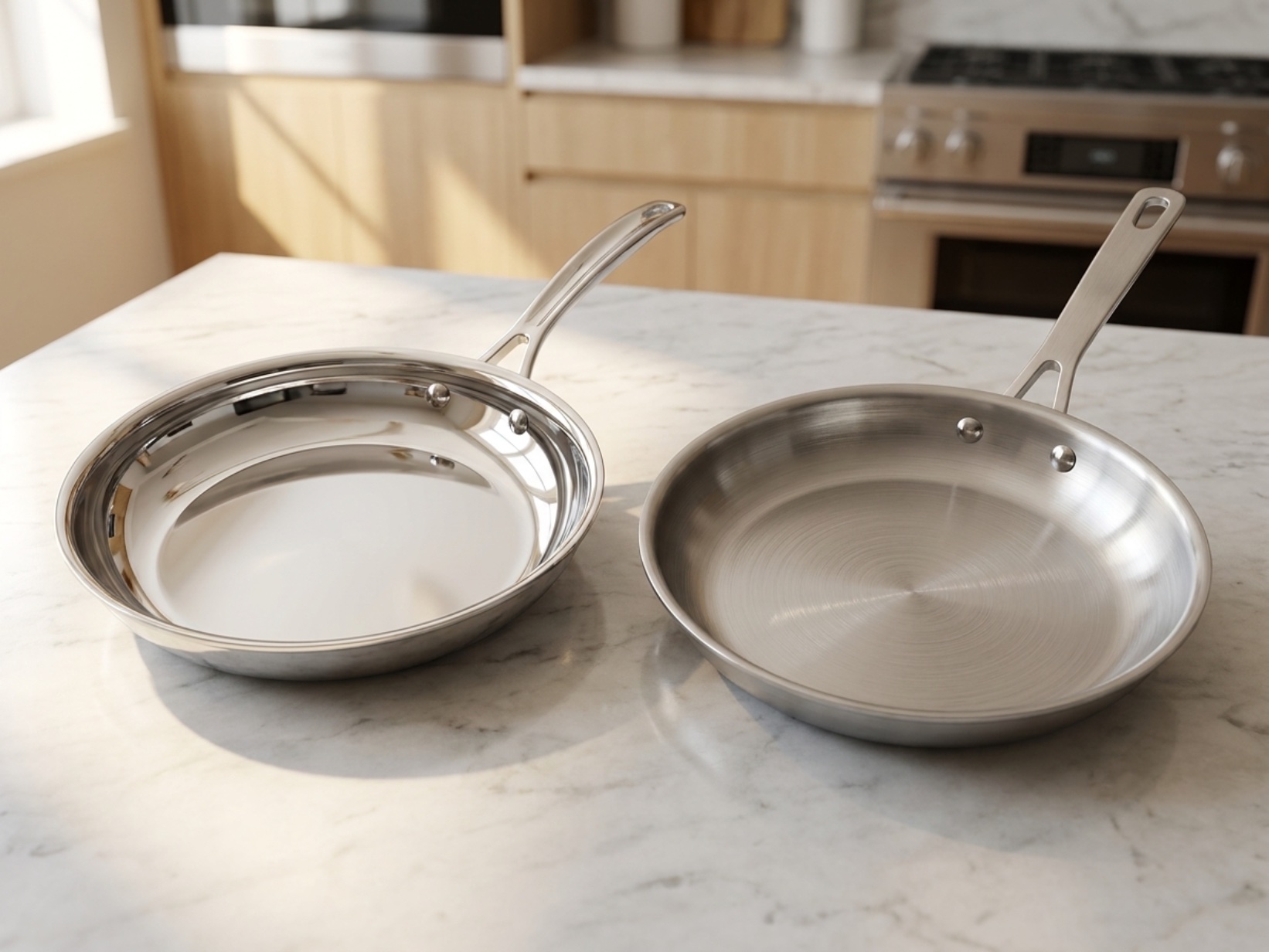
Calphalon Stainless Steel Reviews: Why Classic Won't Win
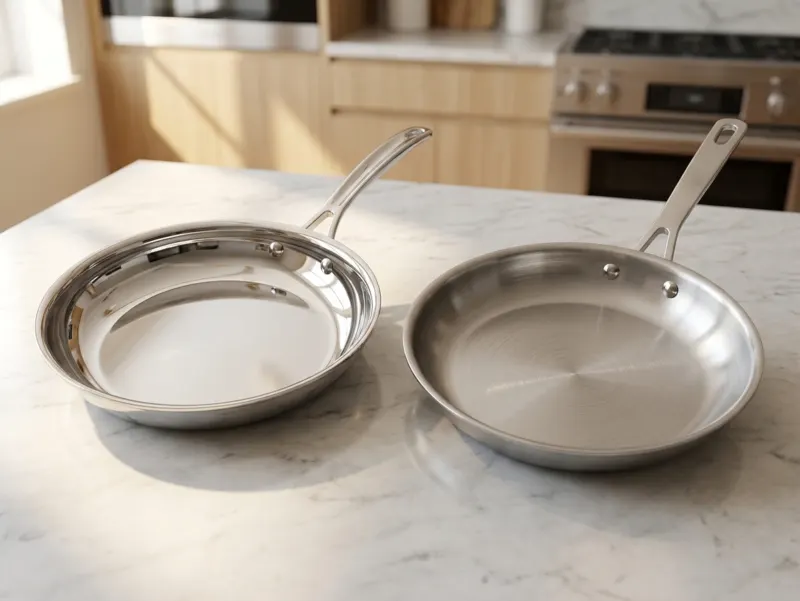
Calphalon stainless steel reviews comparing Classic (disc-bottom) vs Brushed 3-Ply (fully-clad). One costs less and cooks better.
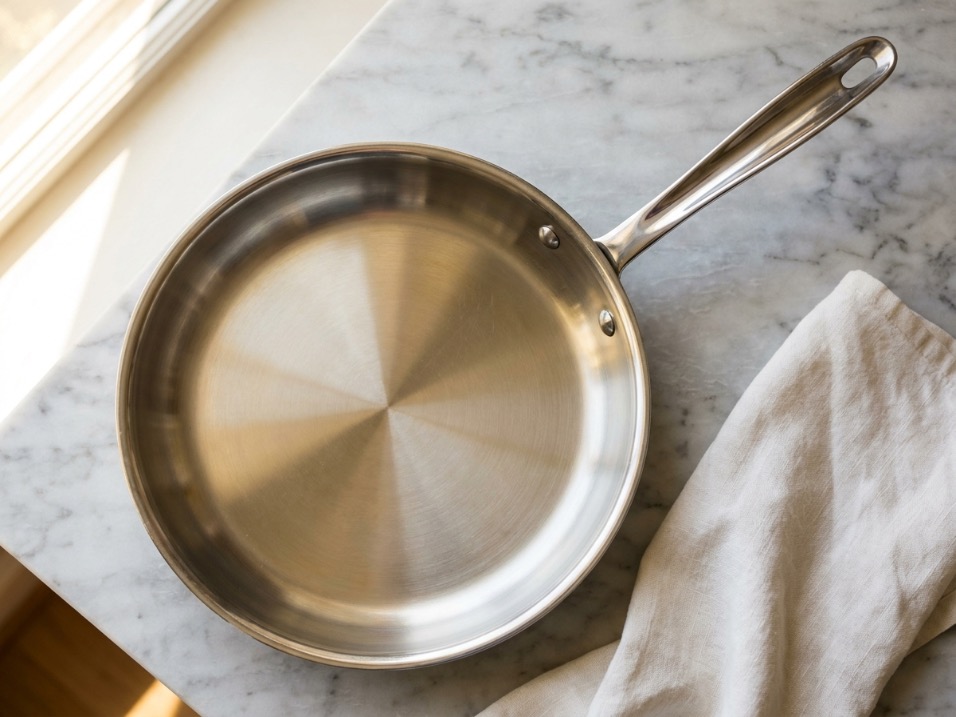
What All-Clad's Price Actually Gets You ($10/Year)
Is All-Clad worth the price? A cost-per-year breakdown reveals exactly what the premium buys and which cooks should skip it entirely.
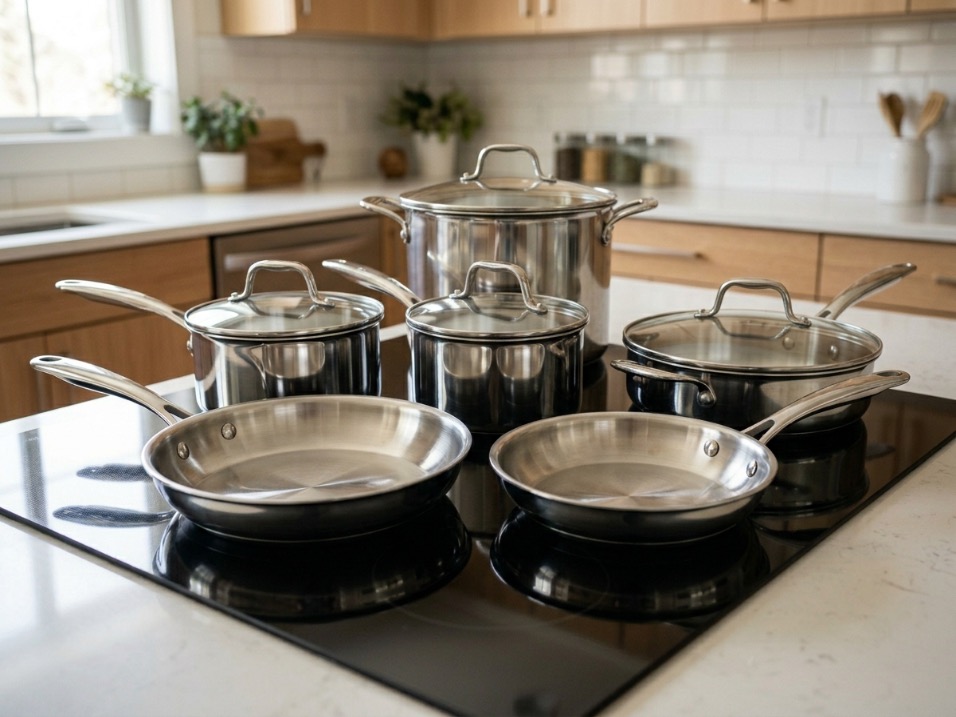
Glass Top Stove Stainless Steel Cookware (The $97 Fix)
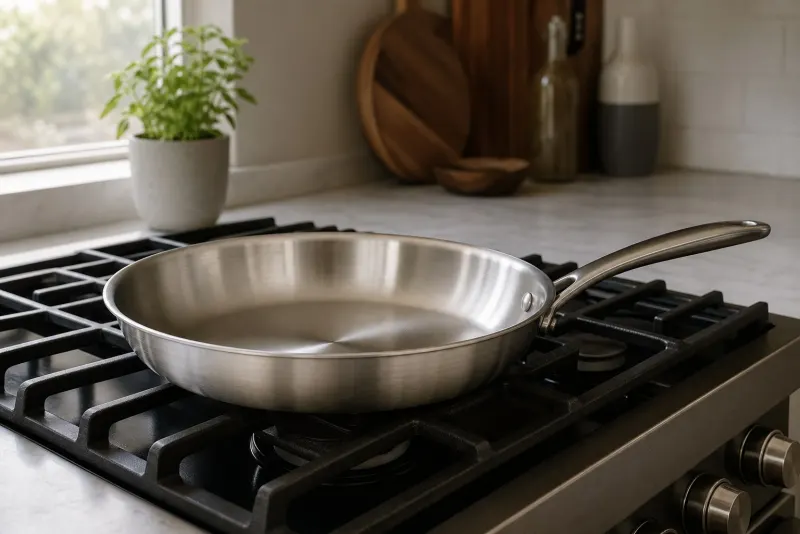
Glass top stove stainless steel cookware needs a flat bottom and tri-ply construction. I learned this after a year of wobbling pans.
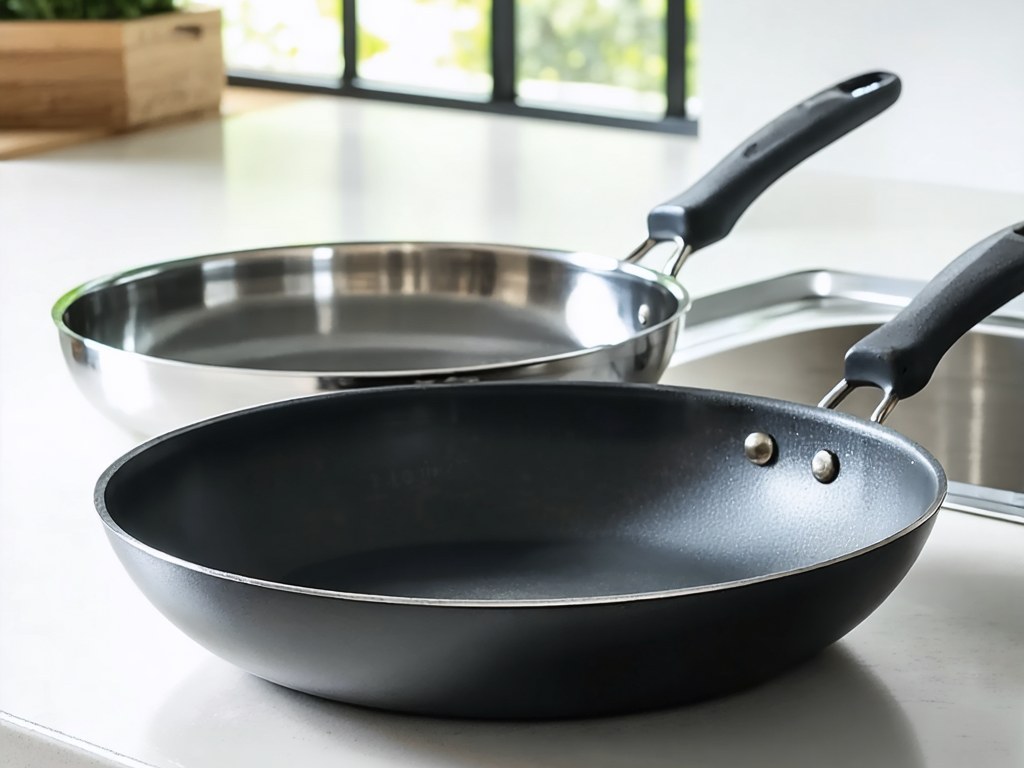
Hard Anodized vs Stainless Steel (The Cost Over 5 Years)
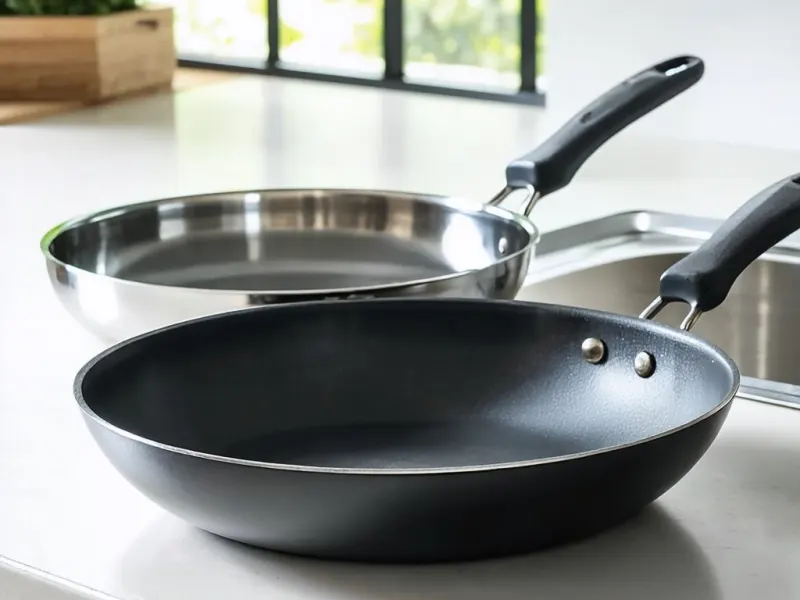
Hard anodized vs stainless steel compared on performance, durability, and total cost of ownership. One costs less upfront but more over five years.
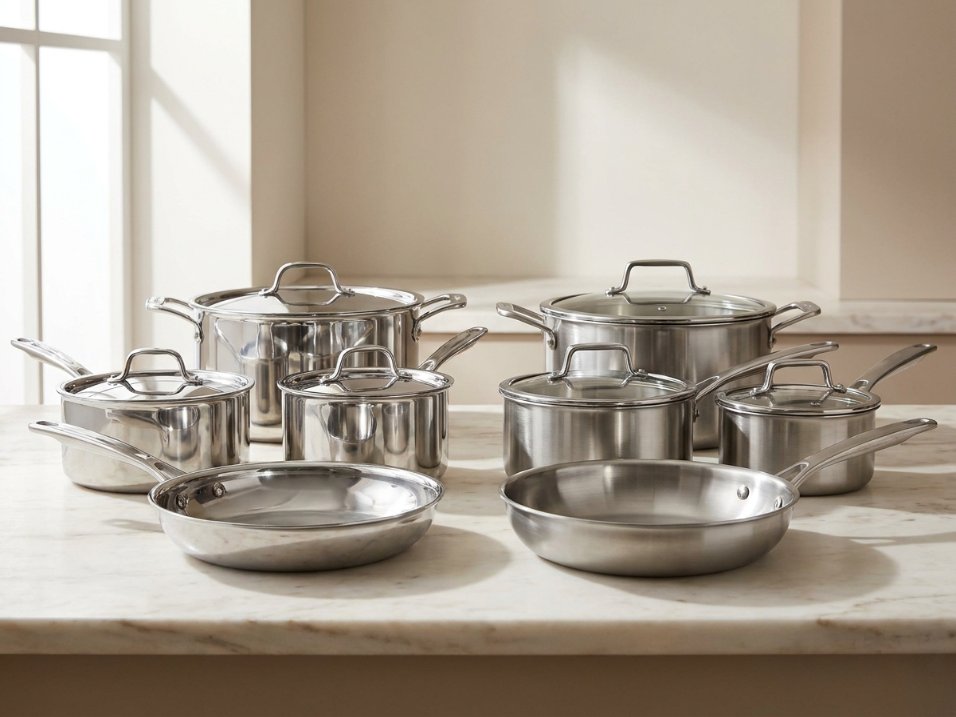
Tramontina vs Calphalon: $30 Cooks the Same as $70
Tramontina vs Calphalon compared honestly. Both use fully-clad tri-ply stainless steel. One costs double per pan for comfort features that never touch your food

3-Ply vs 5-Ply Cookware: What Extra Layers Actually Do
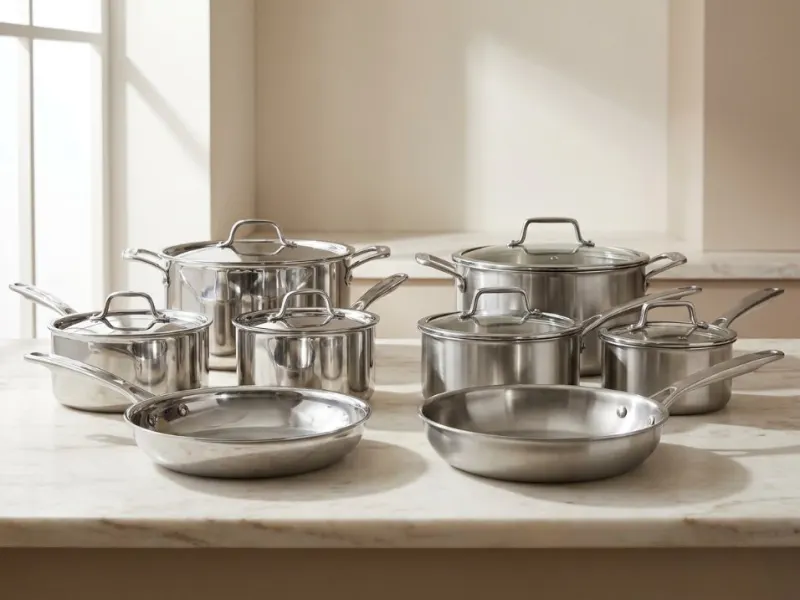
3 ply vs 5 ply cookware explained. More layers add weight and cost, but the real gap is fully clad versus disc-bottom.
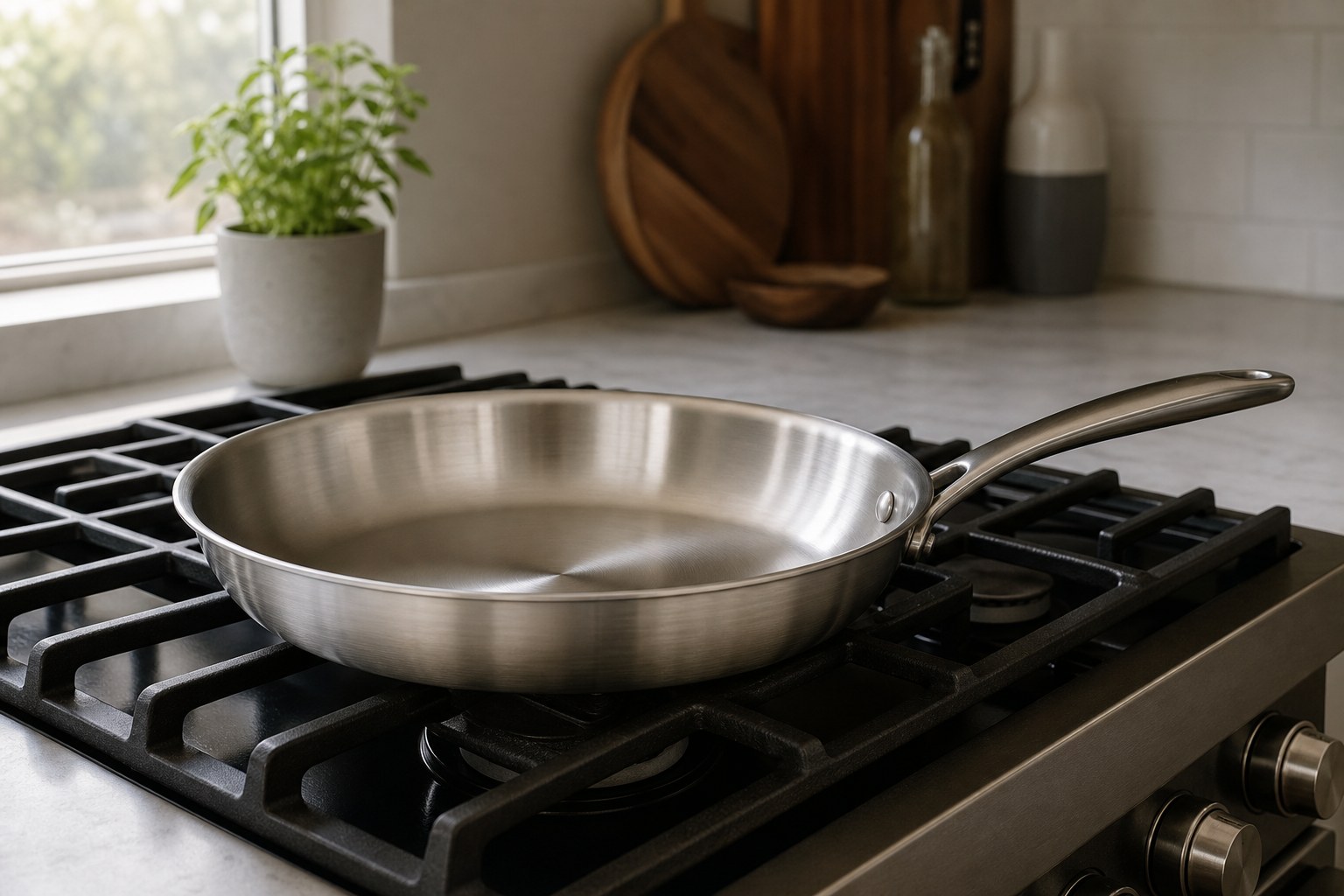
All-Clad vs Tramontina: Does the Price Gap Earn It?
All-Clad vs Tramontina compared honestly. The food tastes identical. Here is exactly where the 4x-5x price gap shows up, and where it does not.