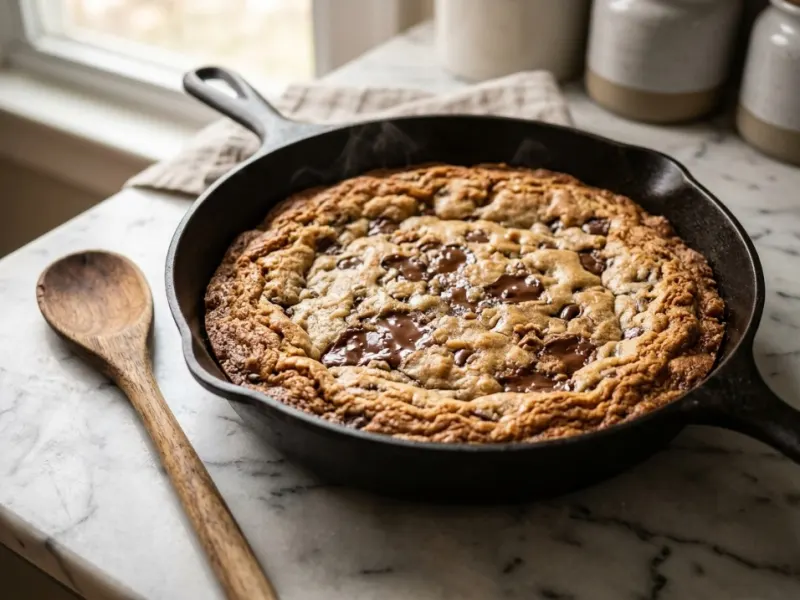
You pulled a skillet cookie from the oven and the bottom was scorched black while the center stayed raw. Or your cornbread came out pale and flat instead of golden and crisp. Same pan, same oven. Completely different results depending on one decision you made before the batter went in.
Yes, you can bake in a cast iron skillet, and for recipes that need a crispy bottom crust or caramelized edges it outperforms every standard baking pan we have found. The difference between success and failure comes down to one technique: whether you preheat the skillet or start it cold.
Our cast iron cookware guide covers the rest of what a cast iron skillet handles well, and when a different pan makes more sense.
Most guides skip this distinction entirely, which is why so many skillet bakers get inconsistent results.
That single decision, preheat or cold start, explains almost every complaint we found across r/castiron, r/Cooking, and hundreds of Amazon reviews from cast iron bakers.
Why the Preheating Decision Changes Everything#
Cast iron is a heat battery. A skillet at about 5.7 lbs holds far more thermal energy than a thin aluminum baking pan at the same temperature. When cold batter hits a preheated cast iron surface, that stored energy immediately drives browning and crust formation on the bottom before the interior has time to set.
This is exactly what you want for cornbread. It burns your brownies.
A standard baking pan loses temperature rapidly when cold batter lands on it. Cast iron barely dips. That relentless bottom heat creates the iconic crispy crust on cornbread, the fried pizza base, the dramatic puff on a Dutch baby. But apply that same principle to a dense, sugar-heavy cookie dough and you get charcoal on the bottom while the center stays undercooked.
When to Preheat Your Cast Iron Skillet#
Preheat the pan when the recipe depends on immediate, aggressive bottom heat.
Cornbread is the undisputed champion. Preheat your skillet in a hot oven, then pull it out and drop butter into the surface. It should sizzle immediately. Pour in the batter and return to the oven.
The crust quality this technique produces is the single most praised result in cast iron baking communities.
Pizza and focaccia follow the same logic. Press dough into an oiled room-temperature skillet, let it proof, then bake at high heat. The oil pooling at the edges fries the dough into crispy cheese skirts that sheet pans cannot replicate.
Dutch baby pancakes need a ripping hot pan. Preheat at high heat, add butter, pour batter, and the thermal mass drives the dramatic rise that makes this dish work.
When to Start Cold#
Skip the preheat when the recipe has dense, sugar-heavy batter that needs time to bake through without the bottom scorching.
Skillet cookies and brownies go into a greased, room-temperature skillet. The pan and oven heat together, giving the center time to set while the edges caramelize slowly against the gradually warming iron. The thick bottom prevents the burning that thin cookie sheets sometimes cause with these batters.
Fruit crisps and cobblers (with non-acidic fruits) work beautifully cold-started. Apple crisps, peach cobblers, and berry crumbles with minimal lemon juice need gentle, even heating so the fruit concentrates without the topping burning. Keep bake times short to protect your seasoning from natural fruit acids.
What to Avoid Baking in Cast Iron#
Delicate sponge cakes and angel food need gentle heat from all sides. Cast iron's intense bottom heat over-browns the base before the airy interior sets.
Long acidic bakes strip seasoning and add metallic flavors. The material selector quiz can help narrow down which pan works for acid-heavy recipes.
Recipes requiring quick cooling after baking are also poor candidates. Cast iron retains heat long after leaving the oven, and that residual energy continues cooking. Chewy cookies left in the skillet become crunchy cookies.
Surface Finish and Food Release for Baking#
Here is the nuance that changes whether you need to spend more on a premium skillet for baking. Machined-smooth cast iron (like the Field Company No. 12, 13 3/8 inches, 8 lbs) releases baked goods more cleanly than rough-cast iron. But that advantage matters only when you are baking without generous fat.

For cornbread in melted butter, pizza in pooled olive oil, or Dutch babies swimming in browned butter, the fat layer creates release regardless of surface texture. Budget rough-cast skillets perform nearly as well in these situations. The smooth surface advantage shows for dry cake batters and quiches without enough fat in the crust. Any recipe where you cannot rely on a fat layer between food and iron benefits from the polished finish.
Greasing Tips That Prevent Sticking#
Even a well-seasoned skillet benefits from a thin layer of fat before baking. Butter adds flavor and creates release for cornbread and cakes. Oil works better for pizza and focaccia because it pools at edges and fries the dough.
If baked goods stick despite greasing, the root cause is almost always insufficient seasoning rather than a pan defect. A skillet with properly maintained seasoning using a high-smoke-point oil like grapeseed releases baked goods cleanly over time. Rough-textured modern cast iron takes longer to build that release quality than machined-smooth surfaces, but both get there with regular use.
The Cast Iron Skillet We Recommend for Baking#
For most people baking cornbread, pizza, cookies, and cobblers in cast iron, the Lodge 10.25-inch is the practical choice. It weighs about 5.7 lbs. The pre-seasoned surface works immediately and the size fits comfortably in standard ovens without clearance issues.
A larger skillet (Lodge at 7.9 lbs, Field Company No. 12 at 8 lbs) bakes larger batches but pulling 8 lbs from a hot oven one-handed gets genuinely difficult. If you bake for groups regularly and want the smoothest food release on dry batters, the Field Company line is worth considering. For the preheat-and-butter cornbread that most cast iron bakers make most often, the Lodge handles it with no measurable compromise.
If you already own a cast iron skillet for stovetop cooking, baking in it costs nothing extra. You get double duty from a pan you have already paid for, which means one less specialty baking pan in the cabinet.
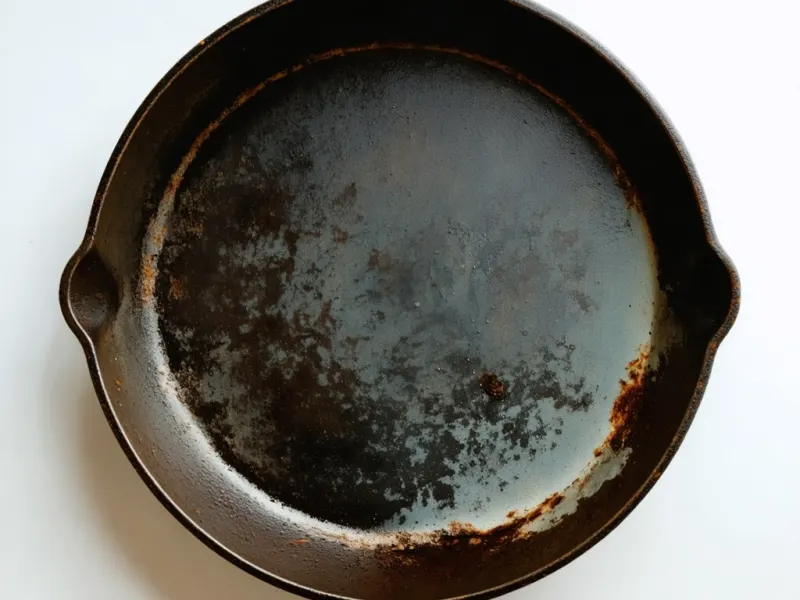
If your skillet starts smoking at lower temperatures than expected during preheating, that is excess oil from previous sessions burning off. Let it smoke out before adding food, or do a round of maintenance seasoning to even things out. Starting with a well-maintained pan keeps the focus on baking, not troubleshooting.